Dumpster Delivery Requirements: Space, Clearance, and Access Explained

Planning a dumpster rental usually starts with choosing the right container size and scheduling delivery dates, but many projects run into problems before debris removal even begins. A driveway that seems large enough, a gate that looks wide enough, or a placement area that appears clear can quickly become obstacles once the delivery truck arrives. Unlike ordinary vehicles, dumpster trucks need room not only to drive in and park but also to maneuver, raise the container during unloading, and leave safely afterward. That's why understanding dumpster delivery requirements helps protect your property and reduces unnecessary stress.
Why delivery preparation matters more than most people realize

Delivery trucks require operating space, not just placement space
One of the most common misunderstandings is assuming the dumpster only needs enough room to fit once it reaches its final position. In reality, the delivery process requires much more than the footprint of the container itself. The truck must approach the site at an angle that allows safe unloading, position correctly before lowering the container, raise the dumpster into the air during placement, and then exit without contacting nearby structures or obstacles.
This becomes especially important in residential neighborhoods, older subdivisions, townhome communities, and projects with narrow driveways. A space that technically accommodates the dumpster dimensions may still prevent proper unloading if the truck cannot align correctly or create enough lifting clearance.
If you are still deciding between container options, comparing dumpster sizes beforehand helps reduce placement problems and avoids unnecessary repositioning later.
General transportation safety information can also be reviewed through the Federal Highway Administration.
Delivery problems create a chain reaction across the project
When dumpster delivery fails, the impact usually extends beyond waste removal. Contractors may postpone demolition, labor crews lose productive hours, materials begin accumulating on-site, and scheduled milestones shift unexpectedly. This is especially noticeable on projects where debris removal must happen before the next phase begins.
Understanding your rental options ahead of time and preparing the site before delivery creates flexibility if conditions change during the project.
Understanding space requirements before delivery

Measure the entire delivery route instead of only the final location
A common mistake is measuring only where the dumpster will sit. Successful delivery depends on the complete access path from the street to the placement area. This includes entry width, turning space, unloading area, and exit access.
Walk the route before scheduling and look at it from the perspective of a large commercial vehicle. Consider parked cars, landscaping borders, retaining walls, decorative lighting, gates, drainage slopes, and temporary obstacles that might not seem important until the truck arrives.
Projects expected to generate larger debris volumes often benefit from planning ahead with resources like estimating dumpster needs before deciding on placement.
Driveway access affects both delivery and daily use
Driveway placement is usually the easiest solution, but access should remain practical after delivery. A dumpster placed too aggressively near garage doors, side entrances, or walkways can become frustrating throughout the rental period.
Leave room to:
Open vehicle doors
Move wheelbarrows
Carry demolition materials
Walk safely around the dumpster
Access garages and entrances
Reviewing local transportation information through the Maryland Department of Transportation may also help when planning access and neighborhood considerations.
Turning radius matters more than most homeowners expect
Even when driveway width looks acceptable, the truck still needs enough room to approach and align safely. Tight cul-de-sacs, narrow residential roads, steep approaches, and sharp corners frequently become delivery obstacles.
When in doubt, describe the site conditions before scheduling rather than assuming the truck will fit.
Overhead clearance requirements that are frequently overlooked

Utility lines create major delivery restrictions
Overhead clearance problems are among the most common reasons dumpsters cannot be delivered as planned. During placement, trucks lift containers upward before lowering them into position. This movement requires clear vertical space across the entire unloading process.
Potential obstacles include:
Electrical service lines
Internet cables
Tree canopies
Decorative lighting
Carports
Roof overhangs
Security wiring
Electrical safety guidance is available through OSHA and can help you understand why overhead clearance matters during equipment operation.
Tree branches create hidden delivery limitations
Branches often look high enough until the unloading process begins. Since dumpsters move upward before placement, trees that seem harmless can suddenly block delivery.
Walk outside and inspect the route while imagining the dumpster being raised above truck height rather than sitting at ground level.
Roof edges and garages can interfere unexpectedly
Garages and decorative architectural elements sometimes extend farther than expected. Always evaluate the highest movement point of the delivery process, not only where the dumpster will sit afterward.
Choosing the best placement location
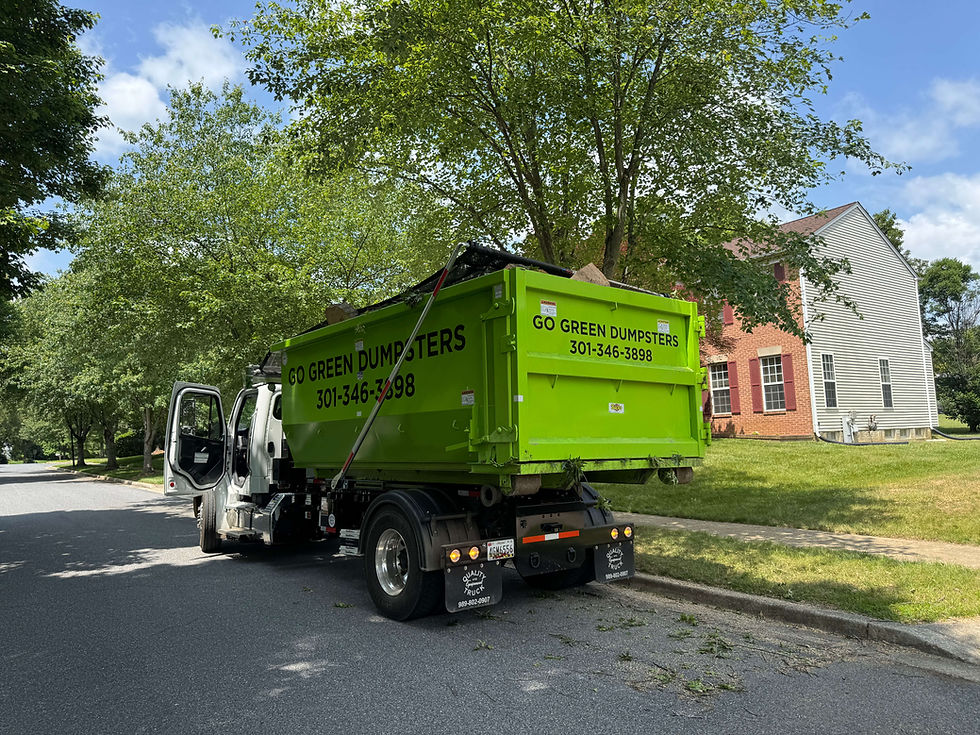
Driveway placement usually creates the smoothest workflow
For most residential projects, driveway placement is the easiest and most efficient option because it reduces carrying distance and often avoids permit requirements that may apply to public placement. Keeping the dumpster closer to the work area allows debris to be removed continuously rather than creating temporary piles around the property that later need to be moved again.
That said, convenience should not override access. Positioning the dumpster too close to garage doors, sidewalks, entrances, air conditioning units, or landscaping features can create frustration throughout the project. Before confirming placement, imagine how the site will function once demolition begins. Consider wheelbarrow movement, loading paths, pedestrian access, and vehicle circulation.
Planning how debris will enter the dumpster matters almost as much as delivery itself. Efficient loading methods explained in packing strategies that save space can reduce unnecessary movement around the site and help prevent early overflow.
Street placement requires more planning than most people expect
When driveway placement is unavailable, curbside or public placement may become necessary. Although this often solves access limitations, it introduces additional considerations such as municipal permits, traffic flow, neighborhood rules, visibility requirements, and pickup timing.
Permit requirements vary depending on location, so it is worth checking requirements before scheduling delivery rather than assuming approval will happen automatically.
You can review local environmental and disposal guidance through the Maryland Department of the Environment.
Protecting driveways and finished surfaces before delivery
Dumpster placement concentrates substantial weight in a relatively small footprint. Asphalt can soften under heat, decorative pavers may shift, and older concrete surfaces can develop stress marks over time. While many projects finish without damage, taking preventive measures dramatically reduces risk.
Simple preparation may include:
Placing plywood beneath contact points
Avoiding weak pavement edges
Keeping containers away from decorative borders
Photographing surfaces beforehand
Choosing flatter placement areas
Small preparation steps before delivery often prevent larger repair conversations afterward.
Common access problems that delay delivery and pickup

Vehicles and temporary obstacles frequently become the biggest issue
One of the most common reasons deliveries fail is surprisingly simple: vehicles. Even one parked car can prevent the truck from approaching at the correct angle.
Keep the entire route open from street to placement location and remember that delivery access requirements remain important throughout the rental period, not just on the first day.
Soft ground creates stability concerns
Many people assume grass is easier because it provides open space, but soft surfaces can become problematic under combined truck and dumpster weight.
Areas that commonly create issues include:
Wet lawns
Loose gravel
Fresh landscaping
Sandy soil
Drainage areas
Recently installed pavers
If ground conditions seem questionable, discuss alternatives before delivery.
Gates and neighborhood restrictions should never be assumed
Measure actual opening dimensions instead of estimating visually. Gates, HOA communities, and shared access areas frequently introduce restrictions that only become obvious when equipment arrives.
Some neighborhoods may regulate:
Delivery hours
Container visibility
Street occupancy
Rental duration
Confirming rules early protects project timelines.
Preparing for pickup day
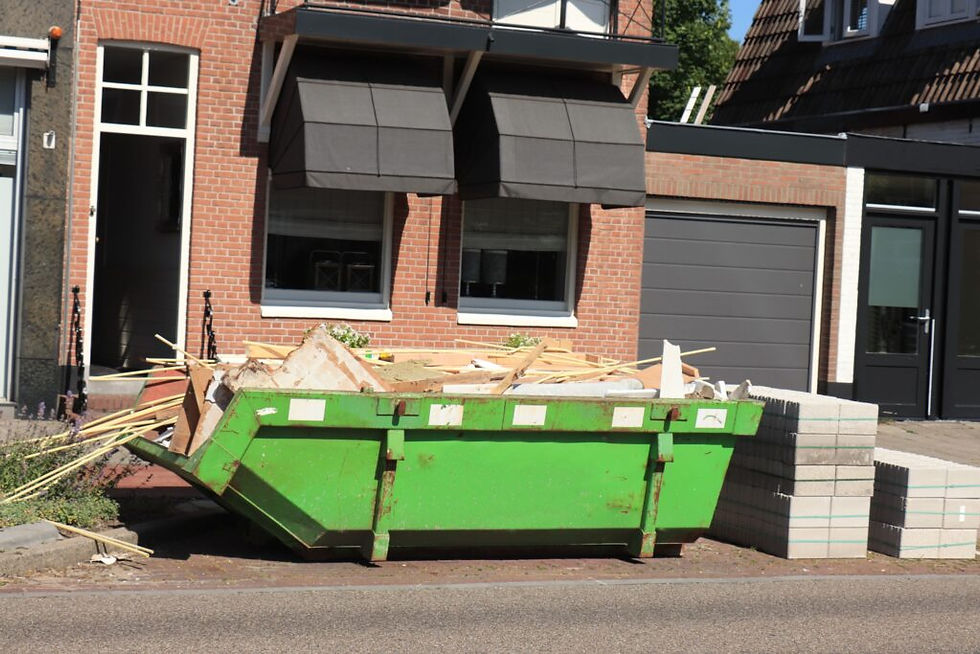
Keep the load level and accessible
Successful pickup starts during loading, not after the dumpster becomes full. Material should remain below the top edge of the container and distributed evenly across the floor.
If debris extends above the rim, pickup may be delayed until adjustments are made.
Before loading unusual materials, review restricted material requirements to reduce the chance of rejected loads.
Maintain clear truck access until removal is complete
It is common for sites to change during projects. Additional materials arrive, tools move around, vehicles return to the driveway, and temporary fencing appears.
Before pickup:
Move vehicles
Remove temporary barriers
Clear surrounding debris
Reopen gates
Confirm placement visibility
If timelines change, you can schedule service before pickup delays affect the project.
Reading real customer experiences can also provide practical examples of how planning affects delivery success.
Delivery preparation checklist

Confirm dimensions
Measure entry width, placement area, turning space, and overhead clearance.
Remove obstacles
Move vehicles and temporary site items.
Protect finished surfaces
Install plywood where appropriate.
Verify permits and neighborhood rules
Confirm local requirements before delivery day.
Estimate debris realistically
Resources such as The Small Remodeler’s Guide and saving money during peak season can help improve planning decisions.
Dumpster delivery becomes much easier when access planning happens before the truck arrives. Space requirements, truck movement, overhead clearance, placement location, and property protection all influence whether delivery happens smoothly or turns into a frustrating delay. Measuring the complete access path, preparing surfaces, removing obstacles, and confirming local requirements helps your project start efficiently and remain organized through final pickup. A few minutes of preparation before delivery often saves hours of adjustments once work begins.
Frequently Asked Question
How much space should be available for dumpster delivery?
Enough space should remain for truck movement, unloading, placement, and safe access around the container afterward.
Can dumpsters be delivered on grass?
Sometimes, but soft or wet ground may not safely support the combined weight.
Does driveway placement require permits?
Usually not, although public placement commonly does.
How important is overhead clearance?
It is one of the most important delivery factors because dumpsters are raised during unloading.
Can tree branches delay delivery?
Yes. Branches are one of the most common causes of delivery adjustments.
Who should you contact if access conditions change before delivery?
You can schedule delivery updates before the truck arrives.


Comments