What Happens If a Dumpster Is Overfilled?

Renovation and cleanup projects generate debris quickly, and when a dumpster begins to fill up faster than expected, many homeowners are tempted to keep loading materials until the container is completely packed. While this may seem like a practical way to avoid ordering another dumpster, overfilling creates safety risks, transportation problems, and unexpected costs. Understanding what happens when a dumpster is overfilled helps keep projects organized and prevents delays during pickup.
Why dumpsters cannot be hauled when they are overfilled

Transportation safety requirements
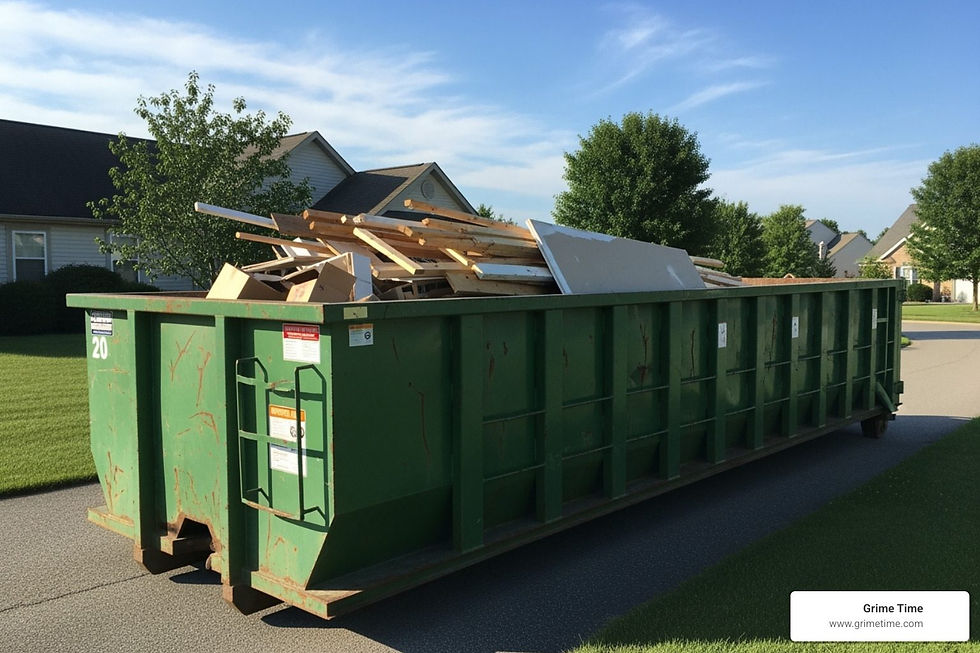
Dumpster trucks are designed to transport containers that are loaded evenly and remain below the top edge of the container. When debris rises above the rim, it becomes unstable during lifting and transportation. Loose items can fall from the container onto roads, creating hazards for drivers and pedestrians. For this reason, haulers are legally required to refuse pickup if a dumpster is loaded above the rim.
Local hauling and disposal regulations
Waste transport regulations require that materials remain contained inside the dumpster during transport. Government agencies and safety authorities enforce these rules to prevent debris from spilling onto roadways. Guidance on safe transportation of construction waste can be found through organizations like the U.S. Environmental Protection Agency, which explains proper handling of construction and demolition debris.
Weight distribution concerns
Even if the container appears stable, overfilling often leads to uneven weight distribution. Heavy debris stacked too high may shift when the dumpster is lifted onto the truck, creating mechanical strain on the lifting system and increasing the risk of accidents during transport.
What the driver will do if the dumpster is overfilled

Pickup may be delayed
If a driver arrives and finds debris extending above the rim, the container usually cannot be hauled immediately. In many cases, the driver will notify the customer that the dumpster must be adjusted before pickup can proceed. This means removing excess debris or redistributing the load so it sits below the top edge.
Additional labor may be required
Sometimes contractors or homeowners must remove materials and temporarily store them elsewhere until another container can be delivered. This extra labor slows down projects and creates unnecessary work that could have been avoided with better loading practices.
Possible return trip fees
If the truck must leave without hauling the container, companies may charge a return-trip fee. These fees cover the additional time, fuel, and scheduling required for a second pickup attempt.
Extra costs caused by overfilling

Overage and additional haul fees
Overfilled dumpsters often lead to additional rental charges. These can include fees for returning to the site, extra hauling costs, or the need to rent another container. Reviewing dumpster rental pricing before starting a project can help homeowners plan capacity more accurately and avoid these situations.
Project delays
When a dumpster cannot be removed on schedule, demolition or cleanup work may have to pause. This is especially problematic during renovations where debris must be cleared before the next phase of work begins. Many homeowners avoid these delays by planning container size carefully and reading resources such as how to estimate dumpster needs for home additions before starting a project.
Safety risks on the job site
Overflowing containers often lead to debris piling around the dumpster. This creates tripping hazards and cluttered workspaces that increase the likelihood of injuries.
Common causes of overfilled dumpsters
Choosing a container that is too small
One of the biggest reasons dumpsters become overfilled is selecting a container that cannot handle the volume of debris. Projects involving drywall, cabinetry, flooring, and framing materials often produce more waste than expected. Reviewing container comparisons such as 10-yard vs 13-yard vs 20-yard dumpsters helps to understand how much debris each size can hold.
Bulky items taking up space
Large items like furniture, doors, and countertops take up irregular space inside the container. When these items are not broken down before loading, they reduce available capacity.
Poor loading techniques
Throwing debris into a dumpster randomly often leaves large empty gaps. Without stacking materials efficiently, containers reach their visible limit long before they reach their true capacity.
How to avoid overfilling a dumpster

Break down materials before loading
Disassembling cabinets, cutting drywall into smaller pieces, and flattening boxes allows debris to stack more efficiently. Simple steps like these often make a major difference in how much material fits inside the container.
Load evenly and distribute weight
Placing heavier materials at the bottom and filling gaps with smaller debris helps maximize usable space while keeping the load stable.
Plan dumpster size ahead of time
Estimating debris volume before starting demolition helps ensure the container is large enough. Homeowners planning major cleanouts often benefit from guides like maximize your dumpster space, which explains packing techniques that prevent overflow.
Schedule another container when necessary
If debris begins to approach the top of the dumpster, arranging another container or pickup may be the safest and most efficient option. Homeowners who need guidance can always schedule a pickup or ask questions about the best solution for their project.
Overfilling a dumpster may seem like a small issue during a busy cleanup or renovation project, but it often leads to safety concerns, delayed pickups, and unexpected charges. Containers must remain level with the top edge so they can be transported safely and comply with hauling regulations. Planning the right dumpster size, loading debris efficiently, and scheduling pickups at the right time keeps projects moving smoothly. When waste removal is managed properly, renovations stay cleaner, safer, and far more predictable.
Frequently Asked Question
Can a dumpster be hauled if debris is slightly above the rim?
No. Even small amounts of debris above the rim can prevent a dumpster from being hauled safely. The load must remain level with or below the container’s top edge.
What should I do if my dumpster becomes overfilled?
Remove enough debris so the load sits below the rim. Materials can be redistributed or temporarily stored until another container is available.
Will I be charged if the dumpster is overfilled?
Many companies charge return-trip or extra hauling fees if a driver cannot remove the container due to overfilling.
How can I prevent overfilling during a renovation?
Choose the correct dumpster size, break down bulky materials, and load debris evenly throughout the container.
Does overfilling affect weight limits as well?
Yes. Overfilled dumpsters often exceed weight limits because additional debris increases both volume and total load weight.
Who can I contact if I need another dumpster or pickup?
Homeowners can schedule service or ask questions about rental options directly through the Go Green Dumpsters team.

Comments