Mobile Home Rehab: Dumpster Tips for Tight Access Sites

Rehabbing a mobile home often means working in a cramped yard, a narrow driveway, or a park with tight lanes. Standard dumpster deliveries can be tricky in these spaces, but with the right planning and a few creative choices you can keep debris off the ground and the job moving. This guide covers container options, placement tactics, driver coordination, packing hacks, and permit tips that help homeowners and contractors across Maryland and DC handle tight-access sites without costly delays.
Choose the right container for narrow spots

Smaller roll-offs and alternative containers
Smaller 10-yard roll-offs or compact low-profile boxes are often the easiest fit for mobile home lots because they reduce truck clearance needs while still offering useful capacity. These units keep a short footprint and let crews load at close range without long carries, which speeds work and lowers labor time. When hauling firms can’t place a standard roll-off, ask about contractor bins and smaller boxes that are designed for constrained spaces.
Dumpster bags and contractor roll-off alternatives
Dumpster bags and contractor debris bags offer maximum placement flexibility since they can be set by hand or from a small pickup rather than a full roll-off truck. Bags are ideal for light-to-moderate volume and for sites where truck access is impossible; they let you stage material near the work area and schedule pickup when the bag is full. For heavier or ongoing work, consider a combination of bags for light waste and a small box for demolition debris.
Low-profile and track-mounted options
Low-profile containers and track-mounted systems exist for extremely tight gates and steep driveways; these specialty options let you place a bin where a standard truck can’t go. Track-mounted units or hook-lift trucks sometimes require extra coordination, but they can be the difference between a stalled job and smooth progress. Check with local haulers in Montgomery, Prince George’s, and Anne Arundel counties to learn which specialty equipment they operate.
Plan placement and protect the site
Placement strategies for mobile home lots
Place the container where the truck can reach without blocking emergency access or neighboring spaces, and aim for the shortest carrying distance from the work area to the bin to reduce manual handling. If curb placement is the only option, find the least intrusive spot and communicate with neighbors about temporary impacts. A carefully chosen placement minimizes walking distance, reduces cleanup time, and keeps the site safer for residents.
Neighbor notification and park rules checklist
Notify park managers and immediate neighbors before delivery and include dates, approximate delivery times, and expected noise or parking impacts to prevent conflicts. Confirm where residents can park during the rental window and provide a contact for questions on delivery day. Clear communication fosters goodwill, and park managers often know which haulers handle tight-access jobs best.
Protecting utilities and landscaping
Mark visible irrigation lines, exposed shallow utilities, and tree roots before the truck arrives, and lay plywood or protection mats to distribute the dumpster’s weight on fragile surfaces. Protecting soft ground and lawns prevents costly repairs and often avoids disputes with park management or neighbors after pickup. Photograph the site before and after placement so you have documentation if a claim arises.
Truck access, timing and driver coordination
Measure clearances and confirm truck type
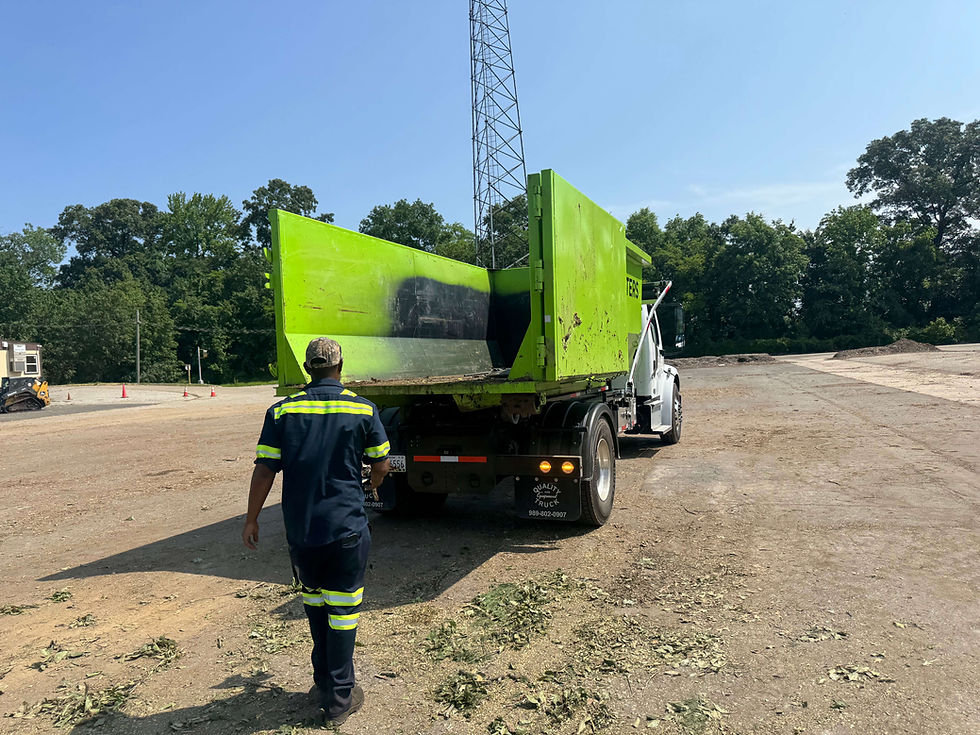
Measure gate width at ground level, note overhead clearance, and measure any tight turning radiuses and driveway slopes before booking delivery so the hauler sends the correct truck. Provide those measurements and photos when you request a quote; accurate specs let drivers plan the safest route and avoid failed delivery attempts. A few minutes of measuring saves a re-delivery fee and prevents a late start on your project.
What measurements to send your hauler
Send gate width, driveway length, maximum vehicle height clearance, and a photo of the turning path from the street to the placement point. Include notes on soft shoulders or known obstacles like mailboxes and low branches so the driver can confirm whether your site is serviceable or needs a smaller vehicle. Drivers appreciate precise info and will usually respond with a suggested truck type and placement plan.
What to expect on delivery day
Expect the driver to call before arrival, confirm placement, and ask for a single point of contact to guide positioning; someone on-site helps avoid misplacement. The driver will often scout the approach before attempting placement and may request minor adjustments or temporary vehicle moves to complete the drop. If the truck cannot safely place the bin, ask the driver for alternative options to avoid a full reschedule.
Schedule deliveries for low-traffic windows
Book deliveries for early morning or midweek when possible to reduce congestion and failed attempts caused by parked cars or heavy neighborhood traffic. Many haulers prefer midweek routing and may offer more reliable windows during these periods. If your mobile home park has time-of-day rules, align delivery timing with those restrictions to avoid permit conflicts.
Permits, park rules and HOA constraints
Check park, township and city rules in advance
Mobile home parks and local municipalities often have specific rules about dumpster placement, allowable hours, and permit filings; check park management policies and municipal permit requirements early. Permit lead times differ by jurisdiction, especially in busy areas of Baltimore or Annapolis, so applying early avoids last-minute complications. If curb placement is required, secure the permit before the scheduled delivery date.
Work with park management for streamlined logistics
Park managers can provide preferred placement spots, recommended local haulers, and guidance on temporary parking changes for residents. A short coordination meeting with the manager can prevent misunderstandings and speed the delivery process. Park managers may also require proof of insurance or specific pickup times, so capture those details in writing.
Loading, packing and handling heavy materials

Short-haul packing techniques for tight working areas
Create a nearby staging area so crews don’t have to carry heavy loads far; use a short wheelbarrow run or contractor cart to move debris from the work zone to the container. Break down bulky items in place, then move the smaller pieces a short distance to the bin to reduce labor time and the risk of damage to landscaping. These small efficiencies speed loading and cut worker fatigue on cramped sites.
Tools and gear for tight-access loading
Compact tools such as folding wheelbarrows, contractor carts, short-handled pry bars, and ratchet straps are invaluable on tight sites because they fit through gates and allow quick movement of heavy panels. Portable ramps and plywood sheets let you bridge small obstacles and avoid dragging materials across delicate surfaces. Investing in a few pieces of compact equipment saves repeated trips and reduces crew time.
Short-run logistics: wheelbarrows, ramps, and hand carts
When distances are short but awkward, a wheelbarrow plus a ramp is often faster than repeated lifting, and hand carts let you move stacked drywall or paneling safely. Use low-profile ramps to load materials into compact containers without damaging edges or risking slips. These techniques are low-cost and especially useful in mobile home parks where crew mobility is limited.
Separate heavy materials and plan for weight
Dense materials like concrete, tile, and soil consume weight allowance quickly, so segregate them and book a heavy-material-rated container or a demo-specific swap if needed. If space prevents a heavy container on site, arrange a separate rubble pickup where a smaller truck takes heavy materials away before the main bin is filled. Planning for weight reduces the risk of overweight charges on a small-access job.
Safety, permits and environmental rules
Keep hazardous materials out of the dumpster
Set aside batteries, solvents, old paint, and fluorescent tubes for proper disposal at county Household Hazardous Waste events rather than tossing them into a rental bin. Handling regulated items through the right channels prevents a full load rejection at the transfer station and avoids fines. Mark hazardous items clearly and communicate them to your hauler before pickup.
Maintain safe walkways and emergency access
Always keep a clear path for workers and emergency services; never block egress routes or park equipment where it can trap residents. Regularly clear a safe access lane and remove tripping hazards so inspections and pickup proceed without delay. Safety keeps the job compliant and prevents costly shutdowns.
Protect neighbors from dust and debris
Use tarps and temporary barriers when cutting or moving dusty materials and wet down dusty demo areas to reduce airborne particles. Inform neighbors about dusty operations and limit noisy or dusty work to permitted hours. These measures reduce complaints and keep park managers cooperative during rental periods.
Cost-saving hacks for tight access jobs

Combine donations and staged pickups to lower volume
Remove reusable items such as doors, appliances, and cabinetry for donation before loading the dumpster; donation pickups can often be scheduled separately and reduce landfill volume. Staging material for targeted pickups—demo debris first, then finish-phase waste—avoids paying for idle rental days on a container that sits unused between phases. These tactics lower tipping costs and often speed project closeout.
Negotiate for the right vehicle and crew skillset
Ask local haulers about their experience with mobile home parks and tight-access jobs; seasoned drivers can place containers faster with fewer site adjustments. If you have multiple nearby projects, negotiate a multi-drop rate to reduce per-site cost, or ask for a referral discount from park management. A short conversation with an experienced dispatcher often reveals simple savings.
Donation and resale logistics for bulky items
Stage bulky but reusable fixtures in a dry, accessible area and contact local reuse centers or Habitat for Humanity ReStore for pickup windows. Preparing items, removing nails, stacking cabinetry, makes donation pickups faster and more likely to be accepted. Reuse not only reduces disposal costs but also helps the community and shortens disposal times on small sites.
Tight-access mobile home rehabs demand preparation, clear communication, and practical on-site solutions. Choose the smallest practical container or use dumpster bags and staged swaps when a full roll-off won’t fit, measure clearances before booking, and coordinate closely with park managers to secure the best placement and delivery window. Protect surfaces with plywood mats, break bulky items down near the work area, and separate heavy materials to avoid overweight fees. Use compact tools and short-run logistics to speed loading, and divert reusable materials for donation to reduce landfill volume. These steps keep crews efficient, preserve neighborhood relations, and help projects finish on time and on budget.
Frequently Asked Question
What is the best container option when a standard roll-off can’t access the site?
Smaller 10-yard roll-offs, low-profile boxes, dumpster bags, and contractor bins are common alternatives for tight sites. Contact your hauler with exact gate and driveway measurements so they recommend the truck and container type that will fit.
How do I measure my site to ensure the truck will fit?
Measure gate width at ground level, note overhead clearances such as tree limbs or wires, record driveway slope, and take photos of the turning path from the street to the placement spot. Provide these details to the hauler so they can choose the correct vehicle and avoid failed delivery attempts.
Can I use a dumpster bag for heavy demo material like concrete?
Dumpster bags are best for light to moderate debris; heavy demo material like concrete and brick will quickly exceed bag limits and can be unsafe. For dense rubble, arrange a heavy-material-rated container or a separate rubble pickup.
How should I protect soft ground or pavers before delivery?
Lay plywood, protection mats, or composite panels under the dumpster footprint and the truck’s placement route to spread the load and prevent ruts or paver displacement. Photograph the area before and after the rental to document condition and reduce disputes.
Do mobile home parks require special permission for dumpsters?
Many mobile home parks have internal rules and some municipalities require permits for curb placement. Check with the park manager and local permitting office well before delivery to secure approvals and avoid fines or rescheduling.
What tools speed loading when space is tight?
Folding wheelbarrows, contractor carts, short-handled pry bars, ratchet straps, and portable ramps help crews move debris efficiently through narrow gates and onto small containers. Compact tools reduce trip time and fatigue, which speeds the overall job.
How can I avoid overweight fees on a small container?
Separate dense materials like tile and concrete, and book a heavy-material-rated unit for demo phases. If that is not possible on site, arrange for a separate rubble removal before filling the main container with lighter finish debris.
Where should I take hazardous materials discovered during rehab?
Keep batteries, solvents, fluorescent tubes, and similar items separate and take them to county Household Hazardous Waste collection events or authorized drop-off points instead of placing them in a dumpster. Proper disposal prevents full-load rejections and fines.


Comments