Dumpster Rental Mistakes Homeowners Make During Renovations
- Go green Dumpsters
- Feb 9
- 5 min read

Renting a dumpster is often seen as a simple logistical step, yet small miscalculations can lead to delays, unexpected charges, and unnecessary stress. Many of the issues homeowners face have little to do with the dumpster itself and everything to do with planning. Understanding the most common dumpster rental mistakes allows renovations to stay organized, protects property surfaces, and keeps costs predictable throughout the project.
Choosing the Wrong Dumpster Size
Underestimating debris volume
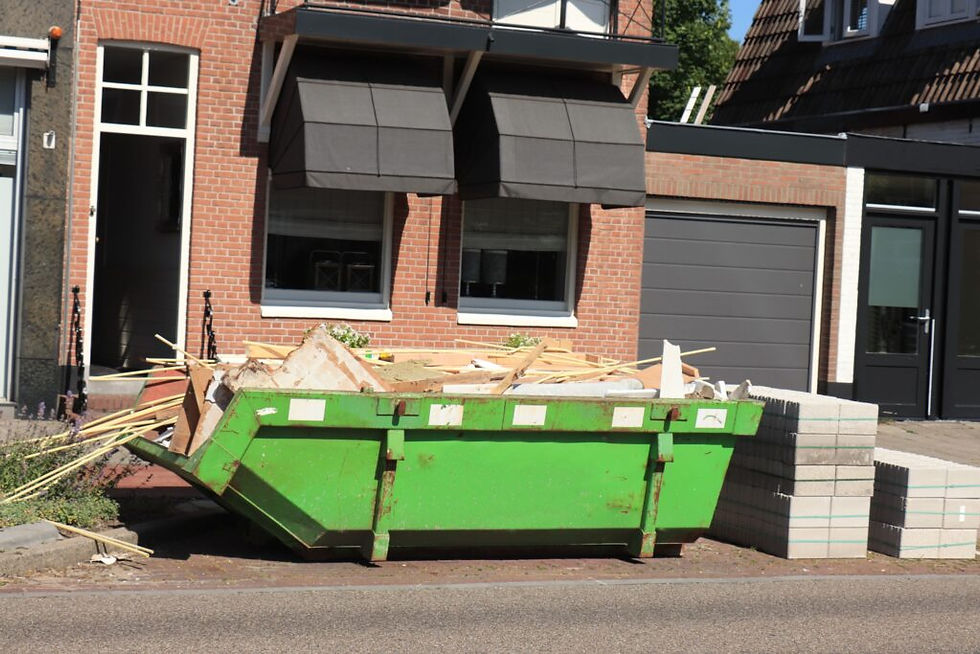
Materials expand once they are removed, broken down, and stacked loosely in a container. Drywall, insulation, old cabinetry, flooring, and framing lumber can quickly fill a dumpster that seemed more than adequate on paper. When a container fills up too soon, debris piles around the job site, and an additional rental becomes necessary.
Assuming smaller always means cheaper
Choosing a smaller dumpster to save money often has the opposite effect. If debris exceeds capacity, the cost of a second rental or extra haul can surpass the price of renting the correct size from the beginning. Also, a larger container provides flexibility, because it allows demolition to proceed without interruption.
Not accounting for bulky items
Bulky materials such as vanities, bathtubs, doors, and large furniture pieces reduce usable space even when they are relatively light. These items create awkward gaps inside the dumpster that limit how efficiently debris can be loaded. Failing to account for bulky waste often leads to a container filling faster than expected.
Ignoring Weight Limits
Mixing heavy materials with light debris
Weight limits are one of the most misunderstood aspects of dumpster rentals. Homeowners often mix heavy materials like tile, concrete, roofing shingles, and soil with lighter household debris, unaware of how quickly weight adds up. Even a few layers of dense material can push a load beyond the included tonnage.
Assuming visual space equals acceptable weight
A dumpster that appears only partially full can still exceed weight limits if it contains dense materials. Visual space does not reflect weight, and relying on appearance alone can lead to overage fees once the container is weighed at the disposal facility.
Forgetting how moisture adds weight
Rain, snow, and moisture-soaked debris increase overall weight significantly. Leaving a dumpster uncovered during wet weather can cause loads to become heavier than expected, especially when dealing with drywall, insulation, or soil.
Poor Dumpster Placement Planning

Blocking access points
Improper placement can slow down renovation work and create safety hazards. Dumpsters placed too close to entrances, walkways, or active construction areas force workers to carry debris farther or navigate obstacles. Strategic placement allows debris to be removed efficiently and keeps foot traffic clear.
Overlooking driveway protection
Driveways are not designed to support concentrated loads in one area. Without protective boards or barriers, the weight of a full dumpster can crack concrete, leave dents in asphalt, or cause staining. These issues are preventable with proper surface protection before delivery.
Forgetting about street placement rules
When driveways are unavailable and street placement is required, permits are often needed. Skipping this step can result in fines, citations, or forced removal, all of which disrupt renovation schedules.
Overfilling the Dumpster
Loading debris above the rim
Dumpsters must be loaded below the top edge to allow safe transport. Overfilled containers cannot be hauled legally and may require debris to be removed before pickup, costing time and labor.
Leaving loose debris unsecured
Loose debris can shift during transport, creating safety risks for drivers and the public. Breaking down materials, distributing weight evenly, and loading carefully helps ensure a secure haul.
Disposing of Restricted Items

Tossing prohibited materials without checking
Many homeowners assume all renovation debris is acceptable, but certain items are restricted. Tires, batteries, liquids, hazardous materials, and appliances with refrigerant require special disposal methods. Including prohibited items can result in rejected loads or additional handling fees.
Assuming everything from demolition is acceptable
Older homes may contain regulated materials that require specialized removal. Discovering these items mid-project without a plan can cause delays and require licensed professionals to handle disposal properly.
Poor Timing and Scheduling

Waiting too long to book
During busy renovation seasons, dumpster availability becomes limited. Waiting until demolition begins to schedule delivery can delay the project and create unnecessary downtime.
Renting for longer than necessary
Keeping a dumpster longer than needed increases rental costs. Coordinating delivery close to demolition start dates and scheduling prompt pickup once debris removal is complete helps control expenses.
Not Reading the Rental Terms Carefully
Overlooking included rental days
Each rental includes a defined timeframe. Exceeding those days can lead to daily overage charges that add up quickly if not anticipated.
Missing details about overage fees
Additional weight, extended rental periods, and relocation requests often carry separate charges. Understanding these terms upfront prevents surprises when the final invoice arrives.
Dumpster rentals play a critical role in keeping projects controlled. Choosing the right size, respecting weight limits, planning placement carefully, and understanding disposal rules all contribute to a smoother renovation process. When homeowners take time to plan ahead, debris removal becomes a support system rather than a source of frustration. Proper planning keeps job sites safer, schedules intact, and costs predictable from demolition day through final cleanup.
Frequently Asked Question
How do I know which dumpster size is right for my renovation?
Consider the scope of the project, the types of materials being removed, and whether bulky items are involved. When estimates are close, selecting a slightly larger dumpster often prevents overflow and delays.
What happens if my dumpster exceeds the weight limit?
If a dumpster exceeds the included tonnage, additional charges are typically applied based on the excess weight. In extreme cases, debris may need to be removed before the container can be hauled.
Can I move the dumpster after delivery?
Dumpsters should not be moved once placed, as this can damage surfaces and create safety risks. If repositioning is necessary, contact the rental provider to arrange a safe adjustment.
Do I need a permit for a residential dumpster?
Permits are generally required when dumpsters are placed on public streets or sidewalks. Driveway placements usually do not require permits, but local regulations vary by area.
How long should I keep a dumpster for a renovation?
Most home renovations require a dumpster for several days to a week. Scheduling delivery just before demolition and pickup shortly after debris removal is complete helps limit rental duration.
What items should never go in a dumpster?
Hazardous liquids, batteries, tires, electronics, and appliances containing refrigerants are commonly prohibited. Always confirm disposal guidelines before loading questionable materials.


Comments