How Much Does a 20-Yard Dumpster Cost in Maryland? A Flat-Rate Pricing Guide
.png/v1/fill/w_320,h_320/file.jpg)
A 20-yard dumpster is a popular choice for major home remodels, house cleanouts, and many commercial projects. Understanding flat-rate pricing, weight limits, and local fees helps you budget accurately and avoid surprise charges. This guide explains typical costs in Maryland, what those flat rates usually include, how local permits and driveway rules affect price, and practical tips to keep your project on budget.
What a 20-yard dumpster holds

Typical volume and visual guide
A 20-yard roll-off holds roughly the equivalent of 6–8 pickup truck loads of debris depending on how compacted the material is. This size is roomy enough for cabinets, drywall, roofing shingles, framing lumber, and most bulky demolition pieces without the need for a swap mid-job. For homeowners, that usually means a whole-house declutter or a multi-room remodel fits comfortably into one unit.
Common project uses
Contractors commonly choose 20-yard dumpsters for medium-to-large remodels, siding replacement, and moderate commercial cleanouts. If your project includes hardwood flooring, kitchen cabinets, and old appliances, the 20-yard often balances cost and space better than a smaller unit. For heavily loaded projects that use lots of masonry or concrete, plan around weight more than volume.
Typical flat-rate pricing and what’s included

What “flat-rate” usually covers
Flat-rate pricing typically bundles delivery, pickup, standard rental days (often seven days), and disposal at a local transfer station into one price. Many companies advertise a simple all-in price so homeowners can plan budgets without worrying about per-ton tipping surprises. Make sure to confirm whether taxes, disposal fees, and county surcharges are included in the quoted flat rate.
Example price ranges in Maryland
Prices for a 20-yard dumpster in Maryland vary by provider and depend on factors like delivery distance, local disposal fees, and seasonal demand. Urban areas and neighborhoods with tight access or permit requirements tend to cost more because of extra coordination and time on site, while locations closer to major transfer stations often see more competitive rates. Always request a written quote that clearly lists what the flat rate includes (delivery, pickup, rental days, and disposal) and which fees—taxes, local surcharges, or excess weight, are billed separately. Comparing a few local haulers and asking about included tonnage will help you find the most reliable value for your project.
Weight limits, overage charges and heavy materials

Standard weight allowances and why they matter
Most flat-rate 20-yard rentals include a weight allowance, commonly two tons (4,000 lbs), after which overweight charges apply per additional ton. Heavy materials such as concrete, brick, and tile use up that allowance quickly even if the dumpster still looks half empty. For large demo projects containing masonry, plan conservatively and budget for extra tonnage or a heavier-rated container.
How overage fees are assessed
Overage fees are typically charged per ton and vary by hauler and local tipping costs. If a load is over the allowance, you’ll receive an overweight invoice based on the scale weight at the transfer station. To avoid surprises, list the types of debris with the hauler when you book; they can recommend a flat-rate with a higher included tonnage or an alternative approach that minimizes overweight risk.
Permits, placement and driveway considerations
When a permit is required
Placing a dumpster on public property like a street or curb lane usually requires a municipal permit, and rules differ by county and town. Baltimore City and many Maryland municipalities require permits and specific permit fees for curbside placement. Private driveway placement rarely needs a permit but does require homeowner permission if shared access is involved.
Protecting surfaces and avoiding damage
Driveway damage is a real risk if heavy dumpsters sit on pavers or older asphalt. Use plywood, steel plates, or a driveway protection service to distribute the load and protect surfaces. Ask your hauler about their driveway protection recommendations for Montgomery, Anne Arundel, and Prince George’s counties, and document the site condition before delivery for peace of mind.
How local factors in Maryland affect price
County disposal fees and distance to transfer stations
Tipping fees differ by county and transfer station, and that affects your flat rate. Rural hauls into Western Maryland or Hagerstown can sometimes carry higher transport costs, while central locations near Baltimore or the DC metro may offer more haulers competing for business and slightly lower prices. Ask your provider which transfer station they use so you can compare standard tipping fees.
Seasonal demand and local restrictions
Spring and summer remodel seasons often drive prices up. Special local restrictions, tight streets, permit windows, or historic-district rules in Annapolis or parts of Baltimore, may require more time and coordination and thus a higher cost. Booking early and confirming local rules for your zip code can help lock in the best pricing.
Ways to save money on a 20-yard rental

Pack efficiently and break down bulky items
Disassembling furniture, breaking down cabinetry, and flattening boxes frees up volume so you avoid paying for a larger unit. Place heavy materials low and use lighter debris on top to maximize usable space. These loading habits can be the difference between one rental and a costly second pickup.
Choose the right hauler and ask about contractor discounts
Local companies sometimes offer better rates for repeat customers or contractor accounts. Compare a few written quotes, ask about included tonnage, and check if the hauler offers a flat-rate with extra weight included. For projects across multiple counties, confirm whether the rate differs by delivery zip code.
Booking, scheduling and contractor tips
Best time to book and confirm access
Book as early as possible, permit windows and busy seasons can create scheduling constraints. Confirm driveway measurements, gate clearance, and any overhead wires before the delivery date. If curb placement is required, secure the municipal permit ahead of time to avoid rescheduling.
Communicate expected materials clearly
Give your hauler a concise list of what you will throw away: roofing shingles, drywall, carpet, cabinets, concrete, etc. Clear communication allows the company to advise on weight vs. volume and recommend the most cost-effective flat-rate option for your Maryland project.
Choosing a 20-yard dumpster for your Maryland remodel is a balance of volume needs, expected material weight, and local logistics. Flat-rate pricing simplifies budgeting by bundling delivery, pickup, and disposal, but the included weight allowance and local tipping fees determine whether that flat price truly covers your job. Protect driveways with plywood or a driveway-protection service, secure permits for curb placement in jurisdictions that require them, and tell your hauler exactly what materials you’ll be disposing of so they can advise on included tonnage or recommend a higher allowance if needed. For projects in Prince George’s, Anne Arundel, Montgomery, Baltimore, or the DC area, get written quotes from two or three providers, ask about seasonal demand, and consider contractor discounts or bundled services for multiple drops. A short pre-rental checklist, clear labeling of heavy materials, and a quick phone call to confirm permit and placement rules can keep your project on schedule and prevent unexpected overweight invoices.
Frequently Asked Questions
What does a 20-yard dumpster look like and how big is it?
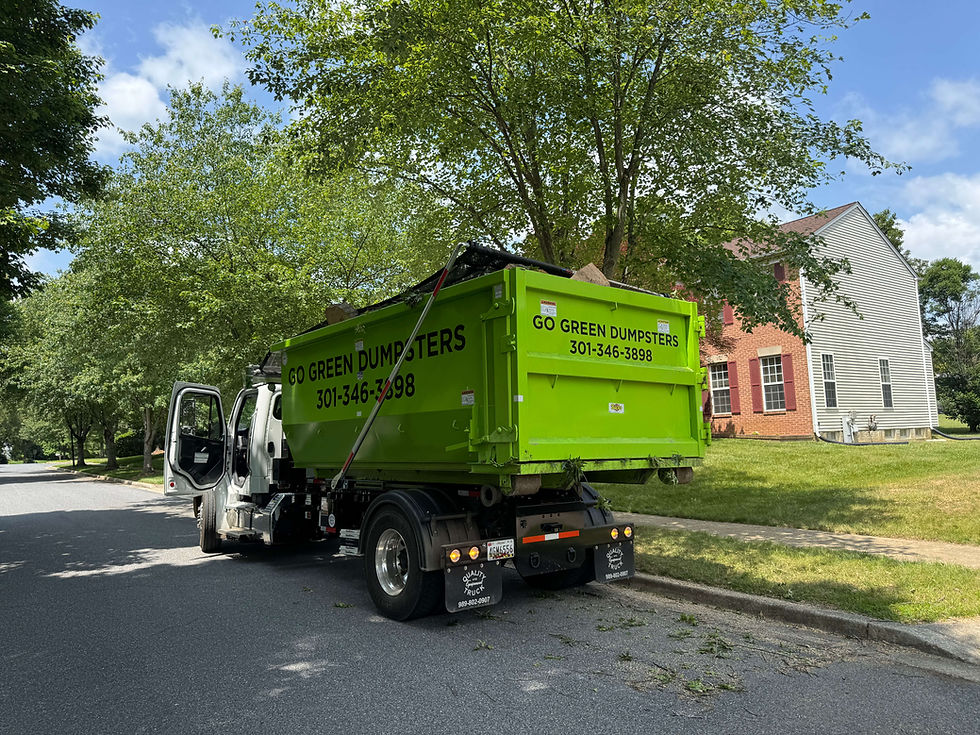
A 20-yard dumpster is roughly the size of a large storage container with an open top, typically around 16–20 feet long and 8 feet wide. It provides ample space for most medium-to-large remodels and can hold several pickup-truck loads, depending on how compacted the debris is.
Is the flat rate really all inclusive?
Flat-rate offers vary by company. Many flat rates include delivery, pickup, and a set rental period, but some exclude taxes, disposal fees, and overweight charges. Always request a written quote that lists what is included and what may trigger additional fees.
How much heavy material can a standard 20-yard rental handle?
Standard 20-yard rentals commonly include around two tons of included weight, but that number varies. Dense materials like concrete and tile use up your allowance much faster than drywall or wood. If your remodel includes heavy demolition, ask about an overweight plan or a higher-tonnage flat rate.
Will I need a permit to place the dumpster in front of my house?
If the dumpster sits on public property such as a curb lane or street, most Maryland municipalities require a permit. Driveway placement generally does not require a permit, but HOA rules or shared access issues might. Check your city or county rules early in the planning process.
Can I extend the rental period if the job runs long?
Yes. Most providers allow extensions, but you should request them before the original pickup date. Extensions usually incur an extra daily charge and are subject to availability.
How can I avoid overweight fees?
Sort materials on site, keep heavy and light debris separate, and load heavy items first at the bottom. Tell your hauler about the expected material types when you book so they can recommend the right size or weight allowance.

Comments